Website Design for Blogging: Complete Guide
Website design for blogging is not just about making a site look good. For bloggers, design directly affects how people read your content. It also influences how long they stay. Additionally, it determines whether your blog can actually grow traffic over time. A poorly designed blog can hold back even the best-written articles. In contrast, a clean and well-structured design helps users and search engines understand your content better.
If you haven’t set up your blog yet, you can follow our step-by-step guide to create a blog website on WordPress to get started easily.
Unlike business websites, blogs are content-heavy. They need layouts that support readability, internal linking, category discovery, and long-term scalability. That’s why website design for blogging requires a different approach, one that balances aesthetics, performance, and SEO from day one.
In this guide, you’ll learn what makes an effective blog website design, how design impacts SEO and traffic, and what bloggers should focus on when building or redesigning their site.
- Website Design for Blogging: Complete Guide
- What Makes Website Design for Blogging Different?
- Core Elements of an Effective Blog Website Design
- SEO-Friendly Website Design for Blogging
- Website Design for Blogging Platforms
- Website Design for Beginner Bloggers
- Common Blog Design Mistakes That Hurt Traffic
- Blog Website Design Checklist
- How Professional Website Design Helps Bloggers Grow
- Our Approach to Website Design for Blogging
- FAQs About Website Design for Blogging
What Makes Website Design for Blogging Different?
Website design for blogging is very different from designing a typical business or service website. A business site usually focuses on a few core pages like Home, About, and Services. A blog, on the other hand, grows over time. It can end up with dozens or even hundreds of posts. The design must support that growth without becoming messy. It should not be confusing.
The biggest difference is that blogs are content-first. Every design decision should help readers discover, read, and navigate content easily. This includes clear category structures, logical menus, and layouts that guide users from one article to another. In effective website design for blogging, the content is always the main focus, not heavy visuals or aggressive design elements.
Another key difference is internal linking. Blogs rely heavily on internal links to connect related topics and build topical authority. A good blog website design makes this natural through related post sections, category pages, and clean navigation. When these elements are missing, even high-quality content can struggle to perform well in search results.
Scalability also matters. A blog that works well with ten posts may fail when it reaches one hundred. Website design for blogging must be flexible enough to handle new categories. It should accommodate featured content and future updates without requiring a full redesign. This is why many bloggers struggle when they choose designs made for static websites rather than content-driven platforms.
In short, blog website design is not about showing information once and closing the loop. It is about creating a structure that supports continuous publishing, better user engagement, and long-term SEO growth.
Core Elements of an Effective Blog Website Design
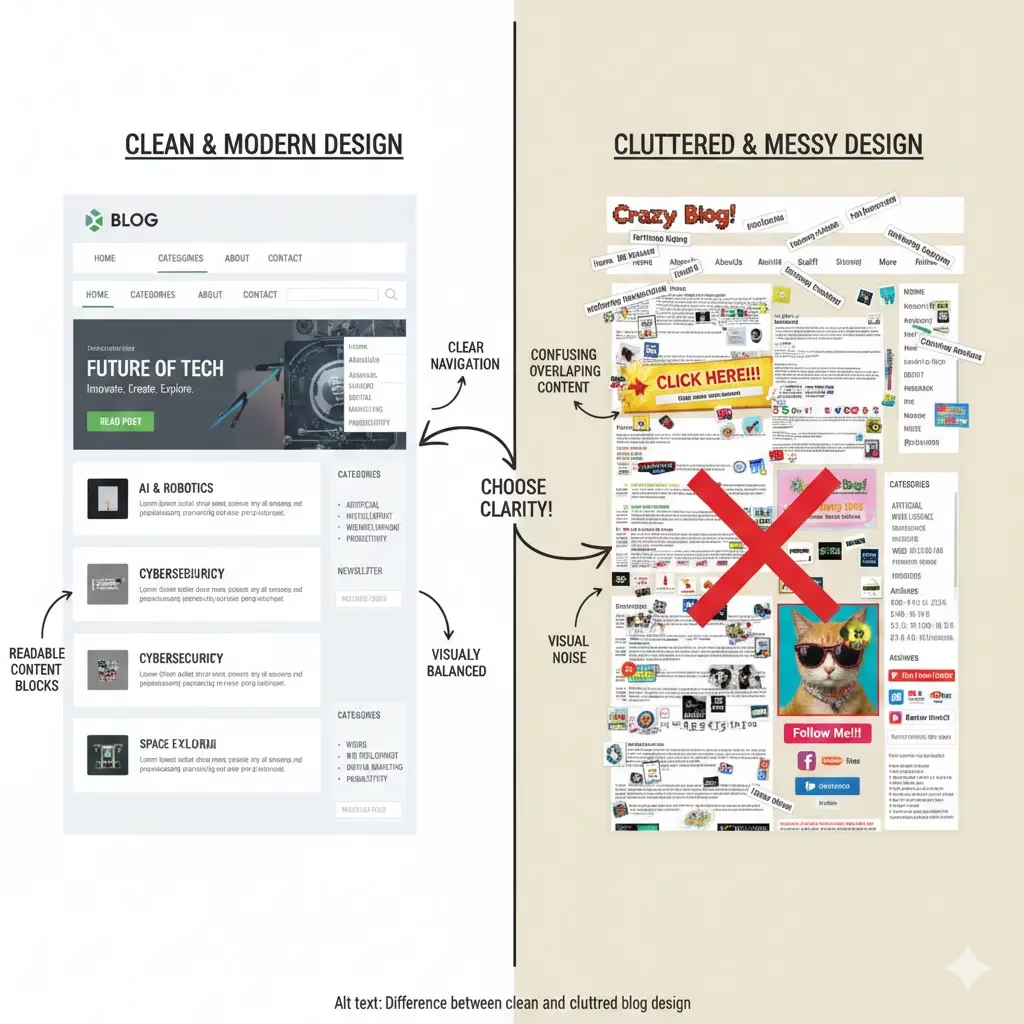
An effective blog website design is built around how people actually read and explore content. Bloggers are not trying to push users toward a single action. They want readers to stay longer, read multiple posts, and come back again. This is where website design for blogging plays a critical role.
Below are the core elements that make a blog design work both for users and for SEO.
Blog-Focused Homepage Layout
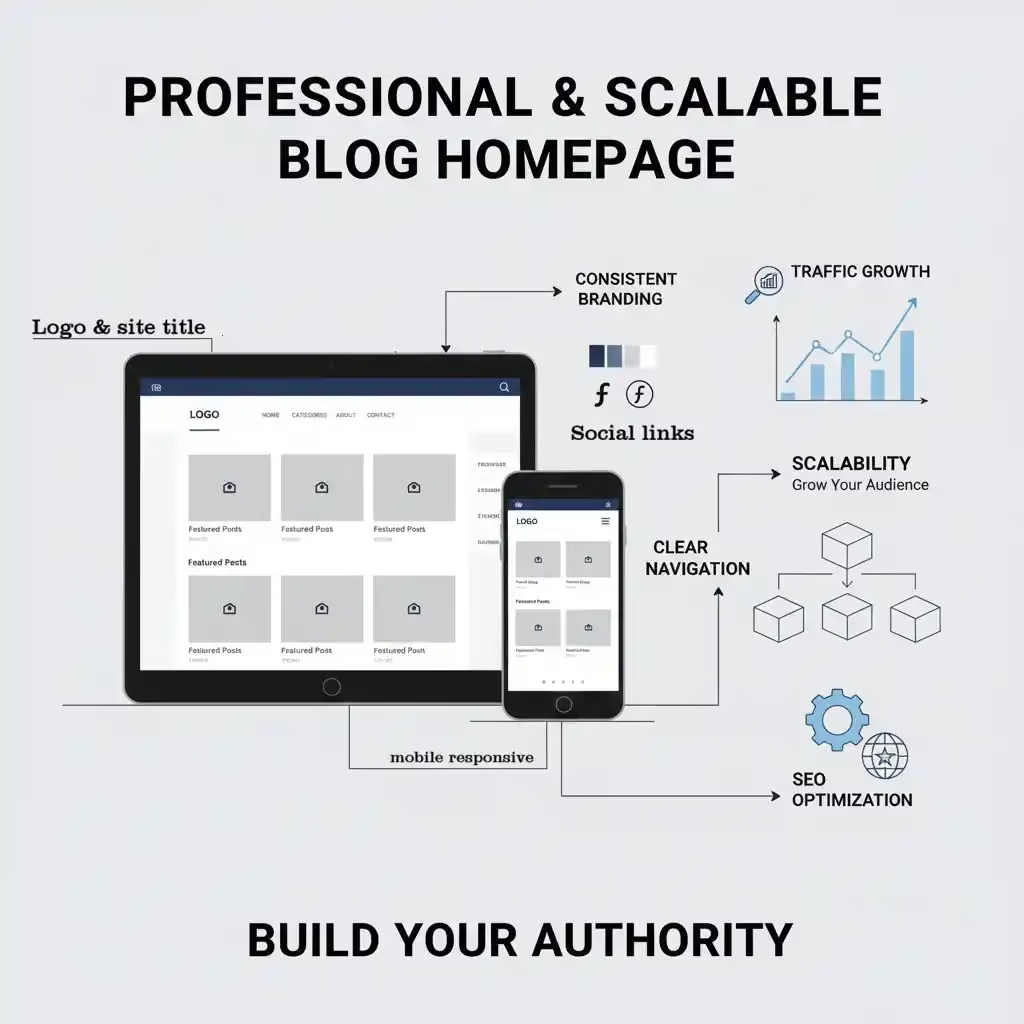
The homepage of a blog should act as a content gateway, not a sales page. A strong homepage layout highlights your best or most recent posts. It helps visitors understand what your blog is about within seconds. Clear category sections, featured posts, and a simple navigation menu make it easier for users to dive into relevant content.
In website design for blogging, the homepage should encourage exploration. Showing topic clusters or featured categories helps guide users naturally, which improves engagement and reduces bounce rate.
Readable Content Layout
Readability is one of the most important yet ignored aspects of blog website design. Long paragraphs, small fonts, and cramped layouts make content difficult to consume, especially on mobile devices. A clean content layout maintains a comfortable line width. It includes readable font sizes and proper spacing. There is enough white space to avoid visual fatigue.
Good website design for blogging ensures that readers can focus on the content without distractions. When users find your blog easy to read, they stay longer and are more likely to trust your site.
Navigation and Content Discovery
As a blog grows, navigation becomes more important. Menus should clearly display main categories. Secondary navigation elements like breadcrumbs, tag pages, or category hubs help users understand their location on the site.
An effective blog website design also includes content discovery features such as related posts or popular articles. These elements support internal linking and help users move from one article to another without effort. In website design for blogging, navigation is not just a usability feature, it is a growth tool.
Mobile Responsiveness and Layout Consistency
Most blog traffic comes from mobile devices, which makes responsive design essential. A mobile-friendly blog layout adapts smoothly to different screen sizes without hiding important content or breaking readability.
Website design for blogging should maintain consistency across desktop, tablet, and mobile views. Headings, spacing, and navigation should feel familiar on every device so users can browse comfortably wherever they are.
Visual Balance Without Distraction
Visual elements like images, featured sections, and callouts help break up text, but overuse can hurt readability. An effective blog website design strikes a balance between visual appeal and content clarity.
In website design for blogging, visuals should support the message, not compete with it. Clean design choices help keep attention on the content while still creating a professional and trustworthy look.
These elements form the foundation of a blog website design. They support content growth, user engagement, and long-term SEO performance.
SEO-Friendly Website Design for Blogging
SEO-friendly website design for blogging starts long before you write your first post. The structure, layout, and technical choices behind your design directly influence how search engines crawl, understand, and rank your content. Even strong content can struggle if the design works against SEO fundamentals.
For bloggers, design and SEO are tightly connected. A well-designed blog makes it easier for both users and search engines to navigate content efficiently.
How Website Design Impacts Page Speed
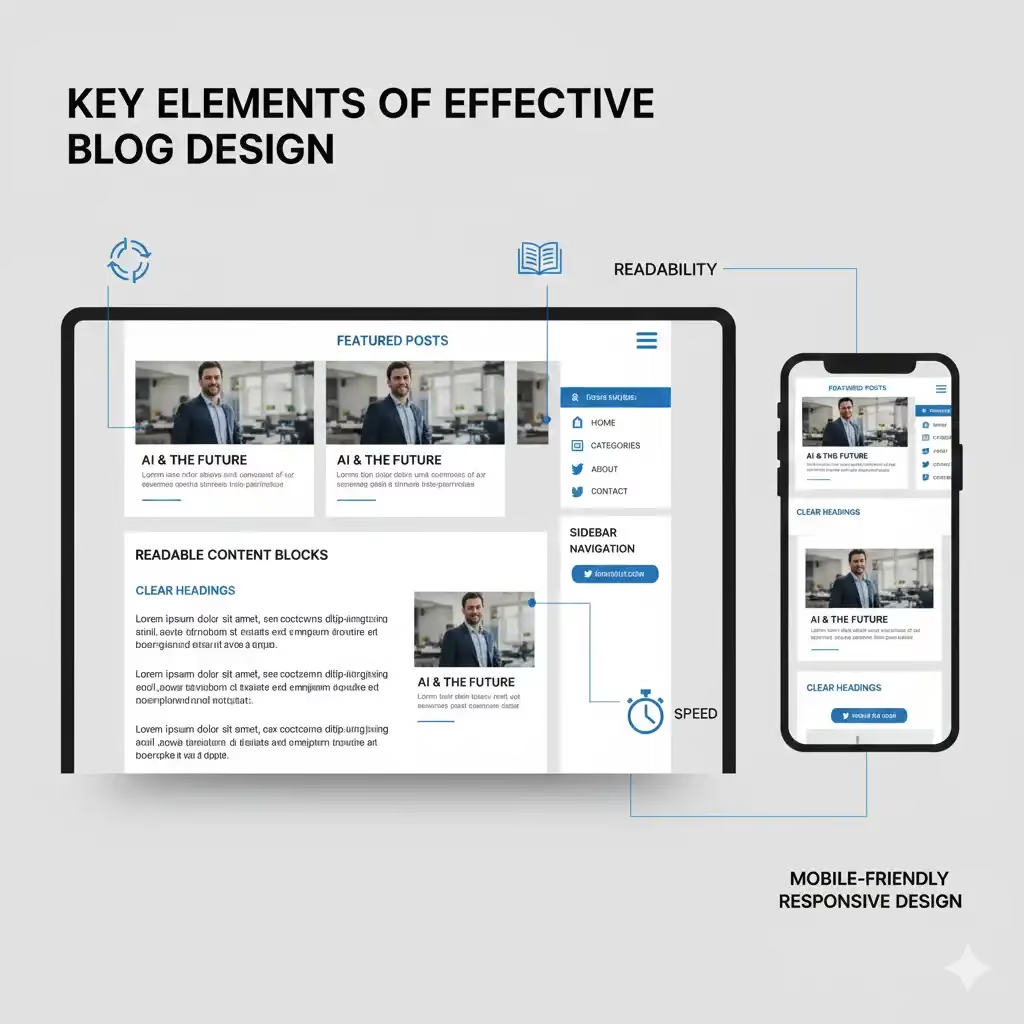
Page speed is a confirmed ranking factor, and design choices play a major role in how fast a blog loads. Heavy themes, oversized images, and unnecessary scripts can slow down a blog significantly. SEO-friendly website design for blogging focuses on lightweight layouts, optimized images, and minimal use of third-party scripts.
Fast-loading pages improve user experience and reduce bounce rate. From an SEO perspective, they help search engines crawl more pages efficiently. This is especially important for growing blogs with large content libraries.
Mobile-First Design for Blog SEO
Google uses mobile-first indexing, which means it primarily evaluates the mobile version of your blog for ranking. If your mobile layout is cluttered, hard to read, or missing important content, your rankings can suffer.
Website design for blogging must prioritize mobile usability. This includes readable font sizes, touch-friendly navigation, and layouts that adapt smoothly to smaller screens. A mobile-first approach ensures that your blog performs well across all devices while meeting SEO requirements.
Internal Linking Through Design
Internal linking is one of the strongest SEO advantages blogs have. Design plays a key role in making it effective. Related posts sections, category pages, and clear navigation menus help distribute link equity across your blog.
SEO-friendly website design for blogging makes internal linking natural rather than forced. When users can easily move between related articles, search engines get stronger signals about content relationships and topic depth.
Clean URL Structure and Site Hierarchy
A clear site hierarchy helps search engines understand how your content is organized. Blog designs should support simple, descriptive URLs and logical category structures. Overcomplicated navigation or deep page nesting can make crawling harder.
Good website design for blogging ensures that important content is never more than a few clicks away from the homepage. This improves crawlability and helps key pages rank faster.
User Experience as an SEO Signal
While user experience is not a direct ranking factor, its impact on SEO is real. Poor design leads to short visits, low engagement, and missed opportunities for internal clicks. SEO-friendly website design for blogging focuses on clarity, readability, and ease of navigation.
When users stay longer, read multiple posts, and interact naturally with your blog, search engines interpret these signals as indicators of quality and relevance.
In short, SEO-friendly website design for blogging creates a strong foundation where content, performance, and usability work together. This foundation makes it easier for your blog to rank, grow traffic consistently, and scale over time.
Website Design for Blogging Platforms
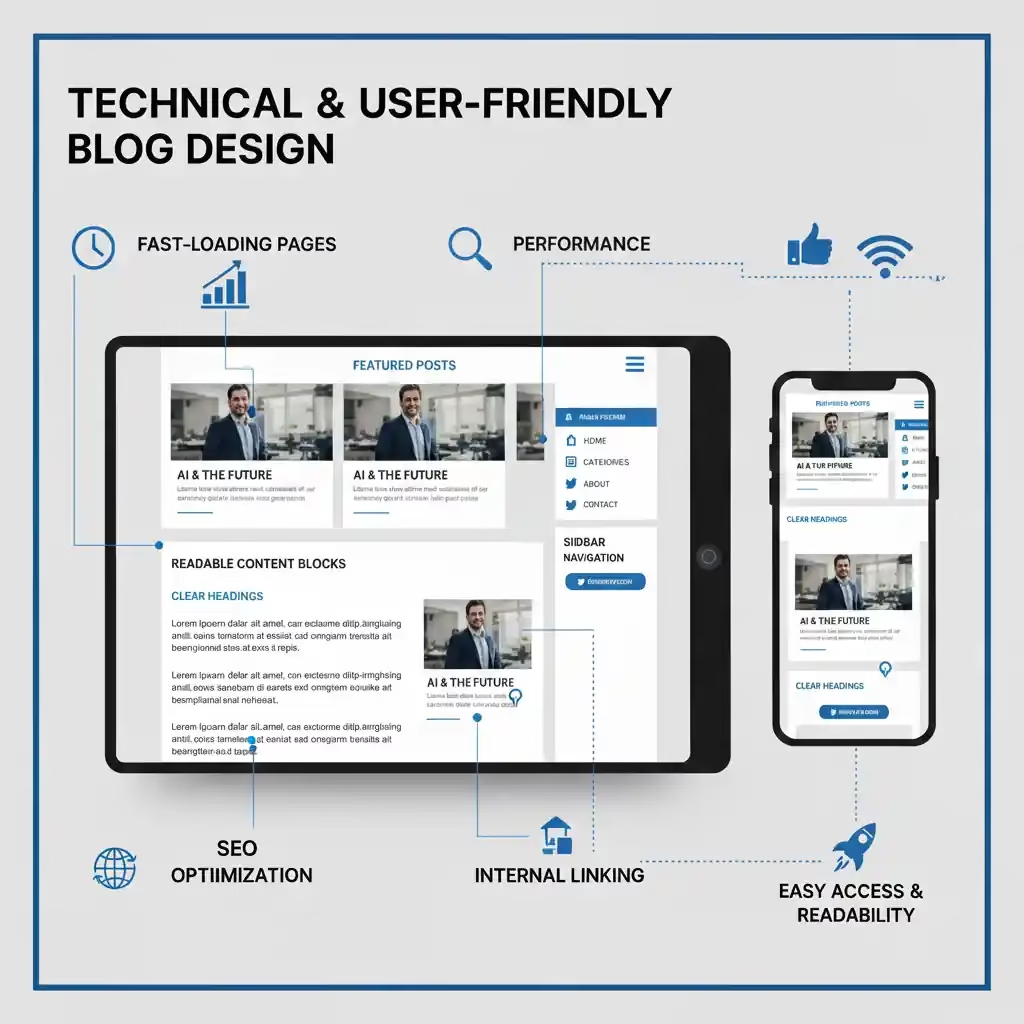
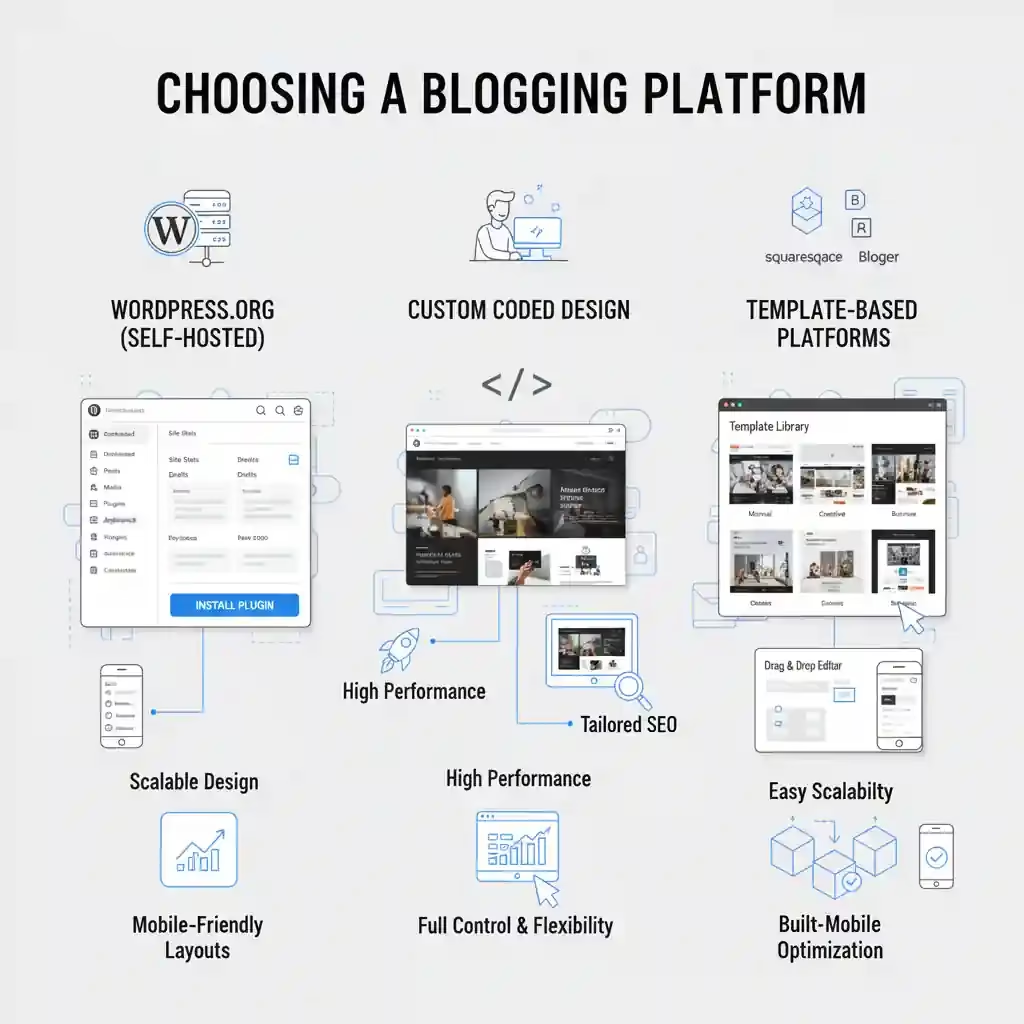
Choosing the right platform plays a major role in how effective your blog website design will be. Different platforms offer varying levels of flexibility, control, and SEO support. Website design should always align with the platform, especially if long-term growth and search visibility are priorities.
Before worrying about layouts, fonts, or colors, make sure your blog has a working WordPress installation. If you haven’t installed WordPress yet, follow our step-by-step guide on how to install WordPress to get started.
This section highlights the most common blogging platforms and how design choices affect performance and scalability.
WordPress Website Design for Bloggers
WordPress is the most popular platform for bloggers, and for good reason. It offers full control over design, structure, and SEO settings. WordPress website design for bloggers allows you to build content-focused layouts. You can create custom category structures. It also lets you implement SEO-friendly features without limitations.
A well-planned WordPress blog website design supports clean URLs, fast loading pages, and strong internal linking. Bloggers can choose between themes and custom layouts depending on their goals. While themes are quicker to launch, custom WordPress website design for bloggers offers better flexibility, cleaner code, and long-term scalability.
Custom Blog Website Design vs Templates
Many bloggers start with templates because they are affordable and easy to set up. Templates can work well in the early stages. However, they often come with design limitations. They include extra code and have restricted layout options. These issues can affect page speed and SEO as your blog grows.
Custom blog website design gives bloggers full control over layout, performance, and content structure. It allows you to design pages specifically for readability, internal linking, and SEO-friendly navigation. Custom blog website design offers a stronger foundation than pre-built templates. This is especially true for bloggers who plan to scale. It is also beneficial for those aiming to monetize or compete in search results.
Blog Design for Content Creators and Niche Bloggers
Content creators and niche bloggers often have specific design needs. Some focus on long-form articles, while others rely heavily on visuals, tutorials, or educational content. Website design for blogging should reflect the content style while maintaining SEO best practices.
Whether you are a personal blogger, educator, or content creator, the right blog website design is essential. It helps highlight your expertise. It improves engagement and makes your content easier to discover. Choosing a platform and design approach that supports your content goals ensures your blog remains flexible and competitive over time.
In summary, website design for blogging platforms is not about choosing what is popular. It is about selecting a platform and design approach that supports SEO, performance, and future growth.
Website Design for Beginner Bloggers
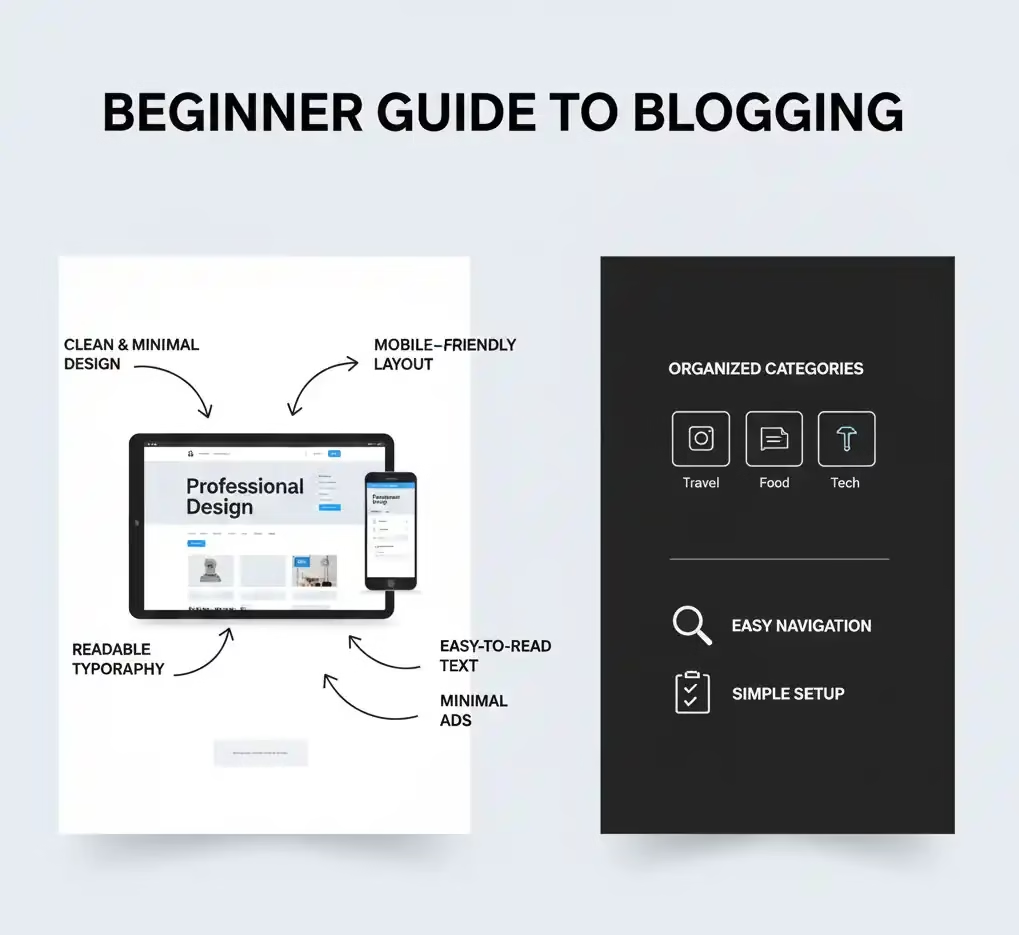
For those just starting out, website design for beginner bloggers should focus on clarity, usability, and a strong SEO foundation. Avoid visual complexity in the initial design stages. Many beginners overthink design early on, which often leads to slow websites, poor structure, and unnecessary expenses.
The goal at this stage is to create a blog that is easy to manage. It should be easy to read. It should also be easy for search engines to understand. If you’re starting from scratch, follow a structured guide. This will help you create a blog website. It ensures you apply these design principles correctly from day one.
What Beginner Bloggers Should Focus on First
The first priority in website design for beginner bloggers is a clean and simple layout. This includes readable fonts, proper spacing, and a clear content structure. A beginner blog does not need advanced animations, complex layouts, or heavy visual elements to look professional.
Beginners should also focus on setting up clear categories and navigation from the start. This helps users explore content easily and allows search engines to understand the blog’s topic structure as it grows.
Common Design Mistakes Beginner Bloggers Make
A common mistake in website design for beginner bloggers is choosing a visually attractive theme. They often overlook performance. Many beginner-friendly themes come with unnecessary features that slow down the site and hurt SEO.
Another mistake is ignoring mobile design. Since most blog traffic comes from mobile devices, poor mobile readability can quickly drive users away. Beginners also tend to overcrowd pages with widgets, ads, or multiple call-to-action elements, which makes the blog harder to navigate.
Budget-Friendly Blog Design Without Hurting SEO
Website design for beginner bloggers does not require a large budget. A lightweight, well-coded theme paired with basic customization is often enough to build a strong foundation. Free or low-cost themes can perform well if they are optimized for speed and SEO.
Beginners should invest time in learning basic SEO-friendly design practices instead of spending money on unnecessary features. A simple, fast, and well-structured blog will always outperform a flashy design that slows down performance.
In the long run, website design for beginner bloggers should be scalable. Starting with a solid foundation simplifies upgrading design elements later. This avoids rebuilding the entire site and preserves SEO value.
Common Blog Design Mistakes That Hurt Traffic
Many bloggers publish consistently and still struggle to grow traffic. In many cases, the issue is not the content but the design. Website design for blogging directly affects how users interact with your site. Small design mistakes can quietly block growth over time. This section addresses the common reasons behind “why my blog isn’t growing” searches.
Cluttered Layouts That Overwhelm Readers
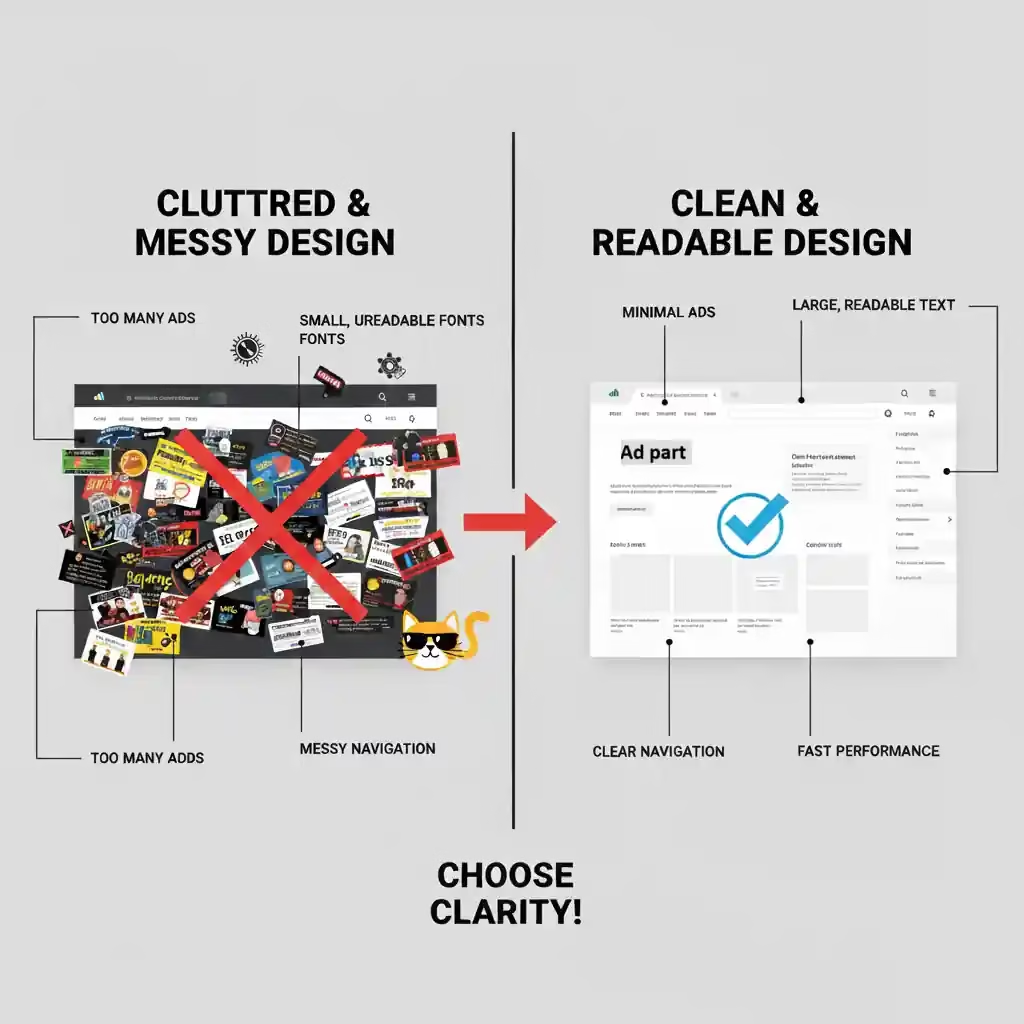
A cluttered layout is one of the biggest problems in blog website design. When pages are filled with too many elements like banners, widgets, popups, and sidebars, readers struggle to focus on the content. This leads to higher bounce rates and lower engagement.
Effective website design for blogging keeps layouts clean and content-focused. White space, clear headings, and limited distractions help users read comfortably and move naturally to other posts.
Too Many Ads Too Early
Placing too many ads early in a blog’s lifecycle is a common mistake. Ads above the fold, aggressive popups, and multiple banners can make a blog feel spammy, especially when it has limited content.
For website design for blogging, monetization should come after trust is built. A cleaner design with fewer ads improves user experience, keeps readers engaged, and supports long-term SEO growth.
Poor Font Choices and Readability Issues
Fonts play a critical role in how content is consumed. Small font sizes, low contrast, or decorative fonts make reading tiring, particularly on mobile devices. When users struggle to read, they leave quickly.
Website design for blogging should prioritize readable fonts, proper line spacing, and strong contrast between text and background. Good typography improves engagement and helps users stay on your site longer.
Slow Themes That Kill Performance
Slow-loading themes are a silent traffic killer. Many themes look impressive but are packed with unnecessary scripts and features that slow down page speed. This affects both user experience and search rankings.
SEO-friendly website design for blogging focuses on lightweight themes, optimized assets, and performance-first layouts. Faster sites not only rank better but also keep readers engaged.
In most cases, blog growth stalls because design works against content instead of supporting it. Fixing these common blog design mistakes creates a better experience for users and removes hidden barriers to organic traffic growth.
Blog Website Design Checklist
A simple, actionable checklist makes it easy for bloggers to evaluate their website design and identify areas that need improvement. This type of checklist is highly skimmable, linkable, and can even appear in featured snippets for searches related to blog design.
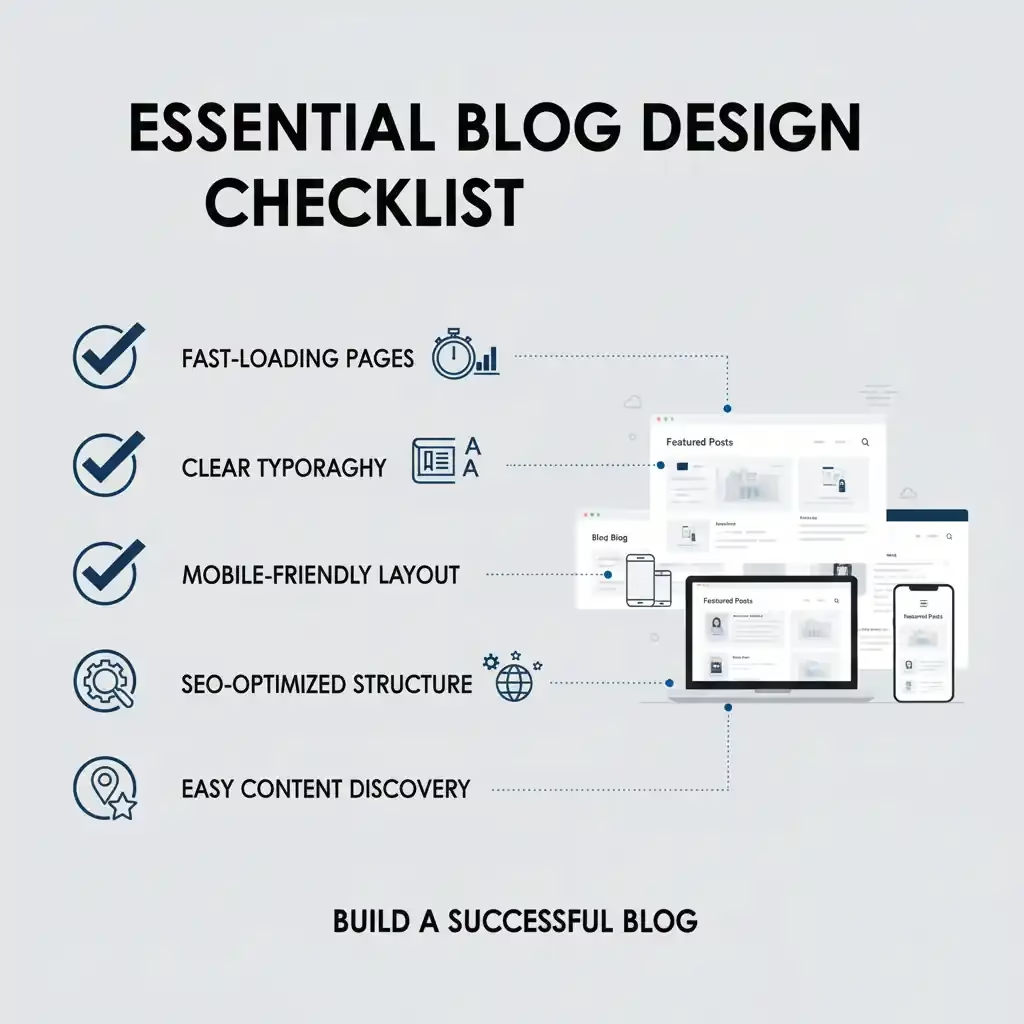
Here’s a complete blog website design checklist for bloggers:
1. Fast Loading Pages
- Optimize images and videos for web
- Use a lightweight theme or template
- Minimize unnecessary scripts and plugins
- Implement caching and a content delivery network (CDN)
2. Clear Typography
- Use readable fonts with good contrast
- Maintain proper line spacing and paragraph breaks
- Avoid overly decorative fonts that reduce readability
3. Mobile-Friendly Layout
- Ensure content adapts to all screen sizes
- Test navigation and menus on mobile devices
- Prioritize tap-friendly buttons and links
4. SEO-Optimized Structure
- Use descriptive URLs for posts and categories
- Implement proper headings (H1, H2, H3) for hierarchy
- Add meta titles and descriptions for all pages
- Create internal links to related posts and categories
5. Easy Content Discovery
- Include featured posts, popular posts, or related articles
- Organize content with categories and tags
- Provide clear navigation and breadcrumbs for deeper posts
By following this blog website design checklist, beginner and experienced bloggers alike can create a user-friendly, SEO-optimized, and growth-ready blog. This checklist not only improves user engagement but also supports long-term SEO performance, making it easier for your blog to rank and attract more traffic.
How Professional Website Design Helps Bloggers Grow
Investing in professional website design for blogging isn’t just about making your blog look attractive—it sets the stage for long-term growth and success. A thoughtfully designed blog supports content, SEO, user experience, and branding in ways that pay off over time.
Long-Term Scalability
A professional blog design creates a structure that can grow with your content. As your blog expands from a few posts to hundreds, a scalable design ensures that new categories, pages, and media elements integrate smoothly without breaking layouts or confusing readers. This kind of forward-thinking design saves time and prevents costly redesigns later.
Better SEO Foundation
Professional website design for blogging also establishes a solid SEO framework. Clean code, fast-loading pages, mobile-friendly layouts, and logical navigation make it easier for search engines to crawl and index your content. Blogs built on this foundation have a better chance of ranking consistently over time.
Easier Monetization
Design influences how effectively a blog can generate revenue. Strategic placement of elements like related posts, featured content sections, or ad spaces helps bloggers introduce monetization without disrupting the user experience. A professional design balances aesthetics and functionality, making monetization feel natural rather than forced.
Branding Consistency
Consistent branding across your blog—through colors, typography, and layout—reinforces recognition and trust. Professional website design for blogging ensures every page maintains visual and functional consistency, which helps readers remember your blog and encourages repeat visits.
In essence, professional website design equips bloggers with a strong foundation for growth. It enhances SEO, supports monetization, ensures scalability, and builds a consistent brand experience—all while keeping the blog user-friendly and content-focused.
Our Approach to Website Design for Blogging
Designing a blog that performs well goes beyond aesthetics. Our approach focuses on creating a blog that is user-friendly, SEO-optimized, and built for long-term growth. The goal is to help bloggers and content creators publish, organize, and grow their content efficiently while maintaining a clean, professional design.
Brief Process Overview
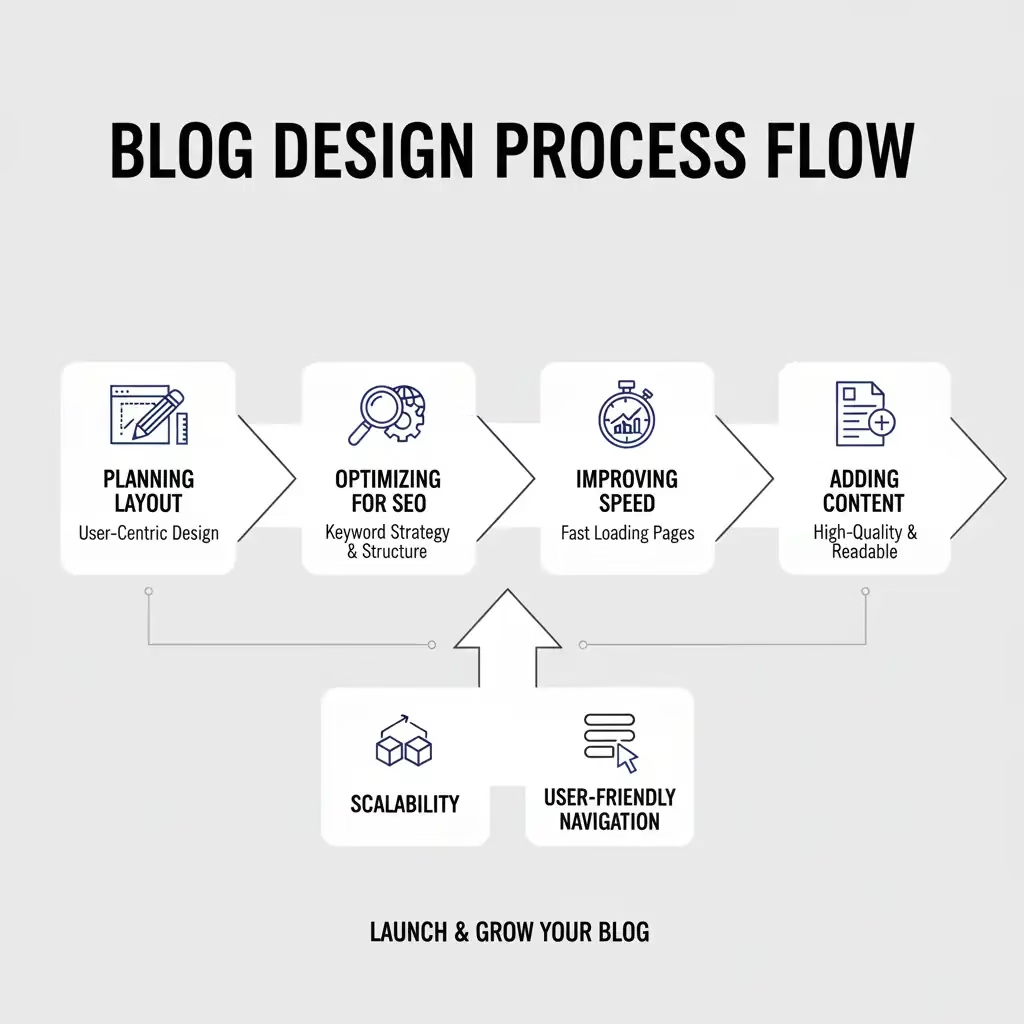
We start by understanding your blog’s goals and target audience. Then we plan the structure, layout, and navigation to support both readers and search engines. From there, we implement a clean design with optimized images, fast-loading pages, and responsive layouts. Finally, we ensure that the blog is easy to manage, scalable, and ready for future content growth.
Focus on SEO, Speed, and Content Growth
Our approach prioritizes SEO-friendly design, including proper heading hierarchy, internal linking, and site architecture. Page speed is optimized through lightweight themes, image compression, and minimal scripts. The design also emphasizes content growth, making it simple to add new posts, categories, or media without breaking layouts or harming user experience.
Who This Service Is Best For
This approach is ideal for bloggers, content creators, and small niche sites that want a professional, growth-oriented blog. It works well for beginners who need a scalable foundation and for experienced bloggers looking to improve engagement, SEO performance, and overall site usability.
By focusing on usability, SEO, and long-term content growth, this approach ensures your blog is not just visually appealing but also optimized for real results. You can explore our professional blog website design services to get started
FAQs About Website Design for Blogging

Tenzin Tashi is an SEO and WordPress FSE web design specialist at Tenz Digital. He focuses on on-page and technical SEO, keyword research, and building SEO-friendly websites using modern analytics tools.